
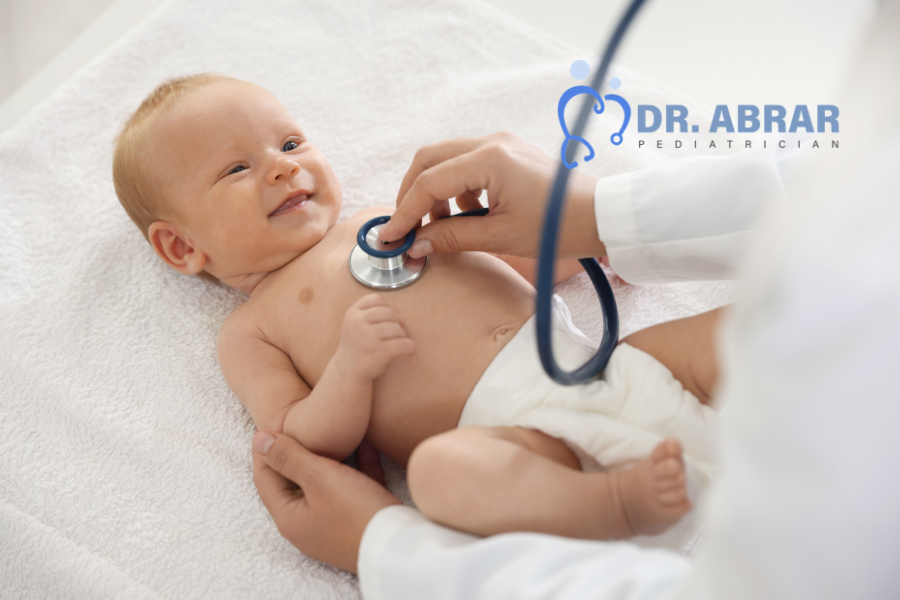
When a small, tender, and crying infant comes to your life, it is a moment that will transform your life permanently. In such a busy city as Bengaluru, the transportation of a newborn baby is a party and a huge task. One minute you are oohing over their tiny fingernails. The next minute you are asking yourself, is that little sneezing about something to be concerned about.
The initial few weeks as a new parent in India can be characterized as a haze of restless nights, the elders offering advice, and a great deal of Google. But the greatest relationship that you are going to make during this period other than your family must be the one that you have with the doctor of your child. Knowing when to seek a newborn pediatrician consultation in Bengaluru is the key to ensuring your baby grows healthy, strong, and happy.
This is a roadmap that is meant to be your guide. We are going to tell you when and when not to go to the doctor, what to expect on your visits, and how to know when it is a normal baby quirk or a medical emergency.
Understanding the Role of a Pediatrician
Before we dive into the schedule, let us clarify what a pediatrician does. A pediatrician is a medical doctor that deals with the health of children in both physical, mental, and social health. They are educated to diagnose and treat childhood diseases, minor health conditions to severe diseases.
The pediatrician is present in the case of a newborn to oversee growth and development. They make sure that the baby is achieving milestones, getting the appropriate nutrition, and is safe with vaccinations. They are also your main source of truth in a misinformed age.
The Very First Step: The Hospital Check-Up
Your baby’s medical journey actually begins the second they are born. Most well-known hospitals in Bengaluru have a pediatrician in the delivery room or at the delivery point.
The Apgar Score
The doctor conducts a brief test known as Apgar score immediately after birth. This exam the heart rate, breathing, muscle tone, reflex response and the color of the skin of the baby. This occurs within the delivery room to determine whether the baby requires any medical assistance or oxygen.
The Head-to-Toe Exam
The doctor will carry out an elaborate examination before you leave the hospital. They examine the soft spots on the head of the baby, the roof of the mouth, the heartbeat, and the umbilical cord. They also check the baby’s hips to make sure the joints are formed correctly.
When to Schedule Your First Newborn Pediatrician Consultation in Bengaluru
Once you leave the hospital and enter your home, the real journey begins. You are now the primary observer of your baby’s health.
The 48 to 72 Hour Window
Most physicians suggest that the initial postnatal visit outside the hospital be 2-3 days after discharge. This is a very critical period since some of the conditions, such as jaundice or loss of weight, may occur within a short time since the baby ceases to receive the care of the hospital.
Why this visit is vital:
- Weight Monitoring: It is a biological fact that all newborns lose some weight in the first few days. They are born with superfluous fluids. A physician must however ensure that he or she does not lose over 10 percent of his or her birth weight.
- Jaundice Check: Jaundice causes the skin and the eyes of a baby to appear yellow. It is brought about by too much bilirubin in the blood. Though normal, when the levels become excessive, it may be hazardous. The physician will examine this either visually or by a minor blood test.
- Feeding Success: The doctor will enquire how often the baby is being fed, whether he is being breastfed or fed using a bottle. They are concerned that the baby is swallowing correctly and that he is getting enough calories.
The Standard Schedule: Your First Year Roadmap
In India, we follow a specific schedule for what we call Well-Baby visits. These are not visited for when the baby is sick; these are visited to keep the baby well.
1. The Two-Week Visit
When the baby is two weeks old, it begins to settle down. In this infant check-up, the doctor will pay attention to:
- Umbilical Cord: The physician will examine whether the cord stump has been torn off and whether the site is curing without any infection.
- Reflexes: The physician will examine such reflexes as the startle reflexes.
- Sleep Safety: The doctor will discuss with you SIDS (sudden infant death syndrome) and will remind you that babies should always be put to sleep on their backs on a firm surface.
2. The Six-Week Milestone
This is often considered the most important visit in the early months. Why? Because this is when the vaccination journey truly begins.
- Vaccinations: At six weeks, babies in India receive their first major set of shots. These protect against things like Polio, Tetanus, Whooping Cough, and Hepatitis B.
- Social Milestones: The doctor will ask if the baby has started to make tiny sounds or if they are starting to look at your face.
3. Three Months and Six Months
As your baby grows, the visits become slightly further apart.
- At 3 Months: The focus is on neck strength. Is the baby able to hold their head up during tummy time?
- At 6 Months: This is a big transition. The doctor will discuss starting solid foods (weaning). In India, this is often a cultural milestone, but the doctor will give you the scientific perspective on what foods to start with, like mashed fruits or simple dals.
Newborn Care Tips India: Navigating the Local Environment
Raising a baby in Bengaluru is different from raising a baby in a cold climate or a rural area. Our city has specific challenges that you should discuss during your newborn health check.
1. Dealing with Dust and Pollution
Bengaluru is known for its beautiful trees, but it is also known for pollen and construction dust. Many newborns get a stuffy nose.
- Tip: Do not use over-the-counter cold medicines for a newborn. Always ask your pediatrician about saline drops. Keeping the baby’s nose clear helps them feed and sleep better.
2. Temperature Regulation
While Bengaluru weather is mostly pleasant, the nights can get chilly, and the afternoons can get hot.
- Tip: The rule of thumb is to dress the baby in one extra layer than what you are wearing. If you are comfortable in a t-shirt, the baby might need a t-shirt and a light cotton swaddle.
3. Water Quality
Even if you use a high-end water purifier, always boil and cool the water used for mixing formulas or cleaning baby bottles. This prevents stomach infections which are common in urban settings.
The Red Flags: When to Skip the Appointment and Go to the Emergency Room
Sometimes, you cannot wait for a scheduled baby first doctor visit. You need to act fast. If you see any of the following signs, take your baby to a pediatric emergency room immediately.
1. The Fever Rule
In a newborn (under 3 months old), a rectal temperature of 100.4 degrees Fahrenheit (38 degrees Celsius) or higher is an absolute emergency. Do not give the baby paracetamol and wait. Take them to the doctor immediately. A fever in a tiny baby can be the only sign of a serious infection.
2. Breathing Troubles
Watch your baby’s chest when they sleep.
- Retractions: If the skin is pulling in deeply between the ribs or at the base of the neck with every breath, the baby is working too hard to breathe.
- Flaring: If the nostrils are widening significantly with every breath.
- Color: If the lips or tongue look blue or purple.
3. Changes in Behavior
You know your baby best.
- Lethargy: If the baby is so sleepy that they will not wake up for a feed, or if they seem limp like a rag doll.
- Inconsolable Crying: If the baby cries for hours and nothing, feeding, rocking, or changing, helps, they might be in pain.
4. Dehydration
In the Bengaluru heat, babies can get dehydrated quickly if they are vomiting or have diarrhea.
- Check the soft spot on the top of the head. If it looks sunken or like a deep hole, the baby needs fluids.
- If the baby has not had a wet diaper for more than 6 to 8 hours.
What to Prepare for Your Newborn Pediatrician Consultation in Bengaluru
A doctor’s visit can be stressful. You are tired, the baby might be crying, and the clinic might be busy. Being prepared helps you get the most out of your time.
Bring a List of Questions
Do not rely on your memory. Write down questions about:
- Vitamin D drops (most babies in India need these).
- Skin rashes or cradle caps.
- How often should the baby be pooping (it can vary a lot!).
- How to bathe the baby safely.
The Diaper Bag Essentials
Make sure your bag is packed with:
- Two extra sets of clothes (accidents happen!).
- Plenty of diapers and wet wipes.
- A clean sheet to lay the baby on.
- Any medical records or the vaccination card given by the hospital.
Observations
Be ready to tell the doctor:
- How many times does the baby feed in 24 hours.
- How many wet and dirty diapers do they have.
- Any unusual movements or sounds you noticed.
Common Concerns for New Indian Parents
In our culture, we receive a lot of advice from well-meaning relatives. Sometimes this advice conflicts with what the pediatrician says. Here is how to handle a few common topics.
1. Oil Massages (Maalish)
Massaging a baby is a wonderful tradition in India. It helps with bonding and blood circulation.
- The Doctor’s View: Most pediatricians support massage, but they will warn you not to put oil in the baby’s ears, nose, or navel, as this can cause infections. Also, be gentle. A baby’s bones and joints are very soft.
2. Kajal (Eyeliner)
It is a common tradition to put kajal in a baby’s eyes to ward off the evil eye or make the eyes look bigger.
- The Doctor’s View: Almost all pediatricians strongly advise against this. Kajal can contain lead, which is toxic. It can also block the tear ducts and cause serious eye infections.
3. Giving Water or Honey
Some traditions suggest giving a newborn a few drops of water or honey (Ghutti).
- The Doctor’s View: Strictly no. Babies under six months should only have breast milk or formula. Water can fill their tiny stomachs and prevent them from getting the nutrition they need. Honey can contain spores that cause botulism, a very serious illness in infants.
The Importance of the Mother’s Health
During a postnatal visit, a good pediatrician will also check on you, the mother. They might ask:
- How are you feeling emotionally?
- Are you able to sleep at all?
- Do you have support at home?
Postpartum depression and anxiety are very real and very common. Taking care of your mental health is a vital part of taking care of your baby. If you are struggling, your pediatrician can refer you to the right specialist.
Conclusion
The first year of your baby’s life is a period of rapid change. By sticking to a regular schedule for a newborn pediatrician consultation in Bengaluru, you are doing more than just checking boxes. You are building a foundation for your child’s entire future.
These visits allow your doctor to catch potential problems early when they are easiest to treat. They provide you with a safe space to ask questions and gain confidence as a parent. Remember, there is no such thing as a stupid question when it relates to your baby’s health.
Whether you are navigating the traffic of Indiranagar or the quiet lanes of Jayanagar, make your baby’s health appointments a top priority. Your pediatrician is your partner in this incredible journey of parenthood.
Take the Next Step for Your Baby’s Health
Is your newborn due for a check-up? Whether it is the first visit or a routine vaccination milestone, we are here to help.
Expert care and guidance can make all the difference in these early months. Ensure your baby is growing on track and that you have all the answers you need to feel confident.
Book your appointment with Dr. Abrar today. Let us work together to give your little one the best start in life right here in Bengaluru. Your baby deserves the best, and so do you.